
about us
The Preservation Compact is a policy collaborative that develops programs and policies to preserve affordable rental housing with stakeholders across the public, private, and nonprofit sectors.
The Compact is housed at Community Investment Corporation (CIC), a non-profit CDFI that has financed affordable rental housing for 50 years.
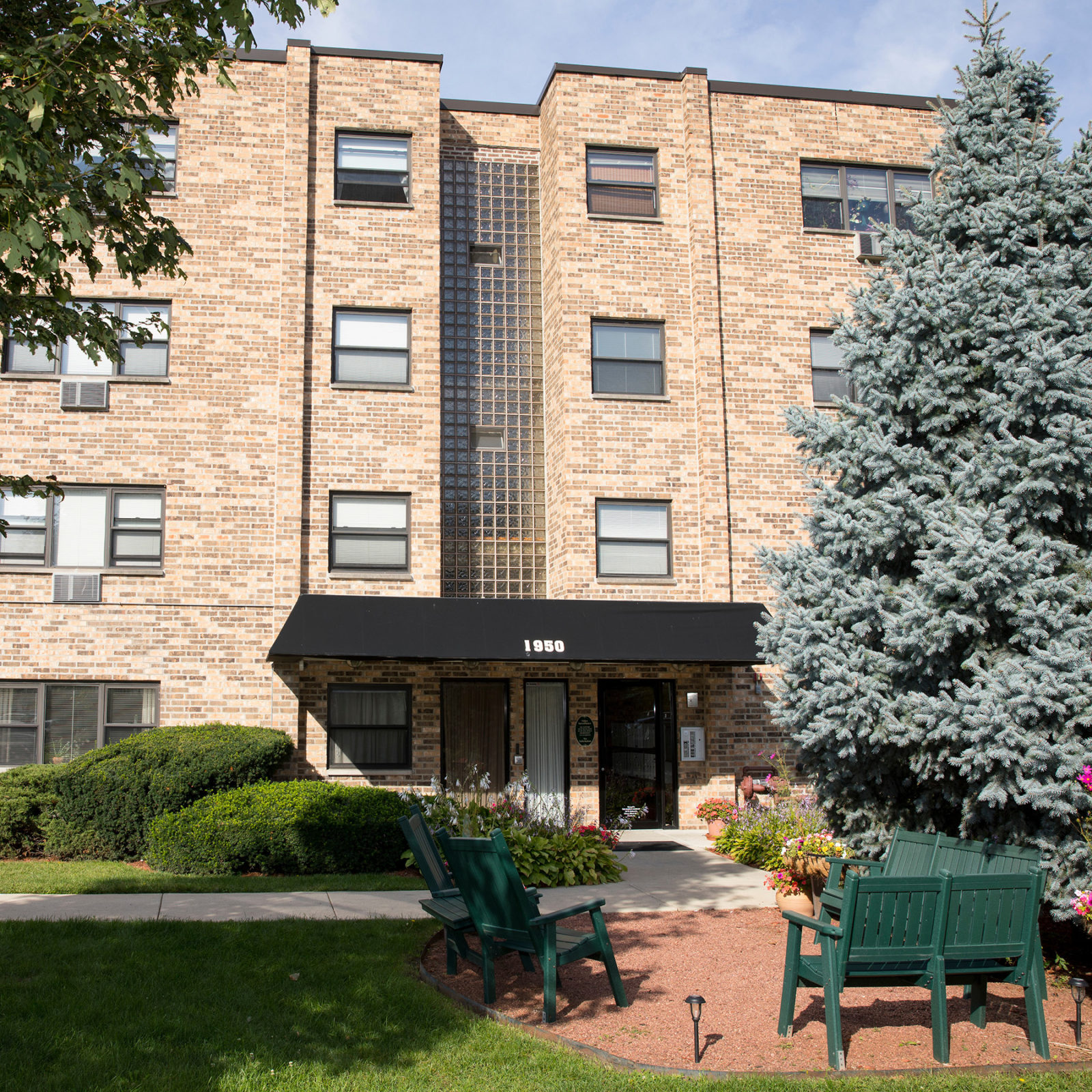
Our Priorities
Unsubsidized, naturally occurring affordable housing (NOAH) comprises the majority of affordable rental housing, and needs investment. The responsible small businesses that own NOAH need support.
Subsidized, government assisted properties need public agency coordination and targeted preservation efforts.
Low cost markets and high cost markets both need tailored investments and strategies to preserve affordable units.

Our Principles
Preserving the affordable rental stock is the most cost-efficient and environmentally friendly way to support affordable housing and neighborhood vitality.
Collaborating with diverse partners drives results.
Impact
The Preservation Compact has a strong track record of successfully developing and deploying strategies that preserve affordable rental housing, including:
Creating Affordability in Strong Markets
The Compact initiated a $34 million Opportunity Investment Fund to allow low income renters to have access to affordable rental units in high cost markets.
Developing Preservation Strategies for 1-4 Unit Buildings
The Compact secured resources and helped helped develop and create a $48 million loan program and a $5 million Chicago CDFI Collaborative to redevelop 1,500 units in distressed 1-4 unit buildings.
Expanding Energy Retrofits
Energy Savers, initiated by The Preservation Compact, has financed retrofits on 11,000 units, saving an average of 25-30% on energy bills.
Recommending Building Code Improvements
Based on Preservation Compact recommendations to reduce rehab costs and encourage improvements, the City of Chicago Department of Buildings (DOB) revised the electrical code and piloted a revised plumbing code. DOB estimates the plumbing pilot alone has saved over $34 million for building owners and developers.
Coordinating Public Agencies
Since 2008, Compact partners in the Interagency Council have helped preserve and ensure ongoing affordability of 7,000 rental units.
Creating Property Tax Incentive
The Compact convened statewide partners to craft a proposal that provides meaningful and predictable property tax incentive, which has been introduced as state legislation.
Staff

Maggie Cassidy
Director
Maggie.Cassidy@cicchicago.com
312-870-9960
Maggie Cassidy is the Director of the Preservation Compact, a policy collaborative housed at CIC dedicated to preserving affordable rental housing through policy and program development.
Prior to the Preservation Compact, Maggie served at the City of Chicago, where she worked with both the Department of Planning and the Department of Housing as Director of the City Owned Land System. During her time at the City, Maggie played a key role in the creation of the City’s land sales platform, chiblockbuilder.com.
Maggie began her career with Neighborhood Housing Services implementing the Troubled Building Initiative for 1-4 unit properties. Working in Troubled Buildings was a formative experience, shaping Maggie’s understanding of the complexities involved in creating sustainable and thriving communities.

Cassidy Kraimer
Program Officer
Cassidy.Kraimer@cicchicago.com
312-870-9960
Partners
History
Portfolio Health Initiative Launched
The Portfolio Health Initiative was launched in the fall of 2024 in partnership with the Illinois Housing Council (IHC). The initiative brings together subsidized affordable housing stakeholders from across the industry to assess the financial and operational health of Illinois’ affordable housing stock and identify practical strategies to strengthen it.
PreserveNOAH.com Launched
In 2022, the Compact launched a two-year research project in partnership with the Institute for Housing Studies at DePaul University (IHS) funded by the Chan Zuckerberg Initiative. This project, called Breaking Up the NOAH Monolith, focused on market-based strategies to preserve unsubsidized affordable rental housing.
The culmination of that work was a convening in October 2024, Emerging Strategies to Preserve Unsubsidized Affordable Rental Housing, and the launch of PreserveNOAH.com, an interactive webtool connecting market analysis to specific preservation strategies for unsubsidized housing nationwide.
SRO Preservation Fund Launched
The Compact helped launch a dedicated fund in 2022 to preserve Single Room Occupancy (SRO) buildings, which often serve as housing of last resort. In 2025, the program was extended to five years with its funding authority increased to $25 million.
The Preservation Compact Celebrates 15 Years!
To commemorate 15 years of work, The Preservation Compact gathered the Leadership Committee and partners to reflect on shared accomplishments and collective progress in housing preservation.
Statewide Rental Housing Property Tax Incentive Passed
Developed in collaboration with partners, the Property Tax Incentive for Affordable Rental Housing Incentive was enacted as part of the landmark affordable housing omnibus that passed the Illinois General Assembly in 2021 and was updated in 2025. In Cook County, the incentive is called the Affordable Housing Special Assessment Program (AHSAP).
The incentive reduces assessed values after new construction or qualifying rehabilitation, delivering property tax relief to eligible multifamily rental property owners who commit to maintaining affordability for households at or below 60% of Area Median Income (AMI).
COVID-19 Resource Coordination
The Compact convened stakeholders to coordinate agencies who administered emergency rental assistance, including Illinois Department of Human Services (IHDS), Illinois Housing Development Authority (IHDA), Suburban Cook County, and the City of Chicago Department of Housing (DOH). This led to the launch of a unified Emergency Rental Assistance (ERA) webpage that reached over 200,000 unique visitors. The Compact held multiple webinars and presented at 5 landlord educational sessions. The Compact also provided direct hands-on assistance to ERA applicants, who represented over 200 tenant households in need of ERA.
Building Code Modernization
Based on Preservation Compact recommendations to reduce rehab costs and encourage improvements, the City of Chicago Department of Buildings (DOB) revised the electrical code and piloted a revised plumbing code. DOB estimates the plumbing pilot alone has saved over $34 million for building owners and developers.
The Opportunity Investment Fund (OIF) or Mezzanine Loan Fund Launched
The Compact created the Opportunity Investment Fund (OIF) or Mezzanine Loan Fund to encourage building owners to include at least 20% affordable units in buildings to house low-income households in high cost, strong neighborhoods. The program was officially launched with support from JP Morgan Chase and generous investment partners, including BMO, CIBC, City of Chicago, Northern Trust and others. Administered by CIC, the $34M fund provides flexible, low-cost subordinate debt to developers who purchase existing, functioning rental buildings in higher-cost and emerging neighborhoods.
The unique structure covers the additional 10% not covered by traditional loan produce, enabling developers to access financing for 90% loan-to-value, effectively cutting a borrower’s equity requirement in half. By 2023, it had approved $12 million in financing for over 800 units.
1-4 Unit Preservation Fund Launched
In 2011, a Preservation Compact Working Group helped develop an innovative 1-4 Unit Loan Program, one of the first programs in the country to finance the redevelopment of groups of smaller buildings for affordable rental housing. A complementary building acquisition pool launched soon after. The $26 million (later $48 million) loan program to help investors redevelop distressed 1-4 unit properties following the housing crash.
This program preserved over 2,000 units. By 2021, the program began phasing out as these properties moved toward owner-occupancy.
Cook County Property Tax Reform
In 2009, the Compact successfully advocated for the Cook County Assessor to establish a uniform assessment rate for all residential property.
The Interagency Council Formed
The Interagency Council launched in 2007 and provides a venue where public agencies, such as the City of Chicago, Illinois Housing Development Authority (IHDA), Cook County, and the U.S. Department of Housing and Urban Development HUD) and tenant advocates can discuss strategies to preserve subsidized buildings that otherwise might be lost from market pressures, conditions issues, or affordability expiration.
Energy Savers was Launched
In response to the high cost of energy, the Energy Savers Program was created in partnership with Elevate Energy in 2007, along with a complementary loan program called Energy Savers Loan Fund founded in the same year to help owners finance retrofits. Administered by CIC, this “one-stop shop” program provided energy audits and low-cost financing for retrofits. By 2013, the program had completed over 10,000 retrofits, saving owners an average of 30% on utility bills.
Thanks to stakeholder advocacy, utility energy efficiency programs adopted this one-stop-shop model for broader statewide program implementation and in 2017 CIC changed the Energy Savers structure to incorporate energy and water retrofits as part of its regular multifamily lending program.
The Preservation Compact was Launched
In 2007, the Preservation Compact was launched to confront the loss of affordable rental housing in Cook County. Convened by the Urban Land Institute and supported by the John D. and Catherine T. MacArthur Foundation, the Compact united public, private, and nonprofit leaders around a shared goal to build a coordinated preservation strategy for subsidized and unsubsidized affordable rental housing. Now housed at Community Investment Corporation (CIC), the Compact continues to advance that mission.